real spots · zero ads

sheesh mahal park verified

mughal-era palace garden that most delhi-ites overlook

rohinipark₹0 for two4.5 · google 4.5 (169)closed rn
fam friendly 4/5date night 3/5

sheesh mahal park is a park in rohini. insta worthy.

a replica of kashmir's sheesh mahal sitting inside a mughal garden in haiderpur — well maintained, free entry, and nowhere near as crowded as hauz khas. a proper history haunt hiding in plain sight.

best forhistory exploration without the tourist crowds

the vibe check

fam friendly4/5
date night3/5
broke but fancy3/5
group scenes2/5

what people are saying

powered by google
Sushil kumar kushwaha
★★★★★ · 6 months ago

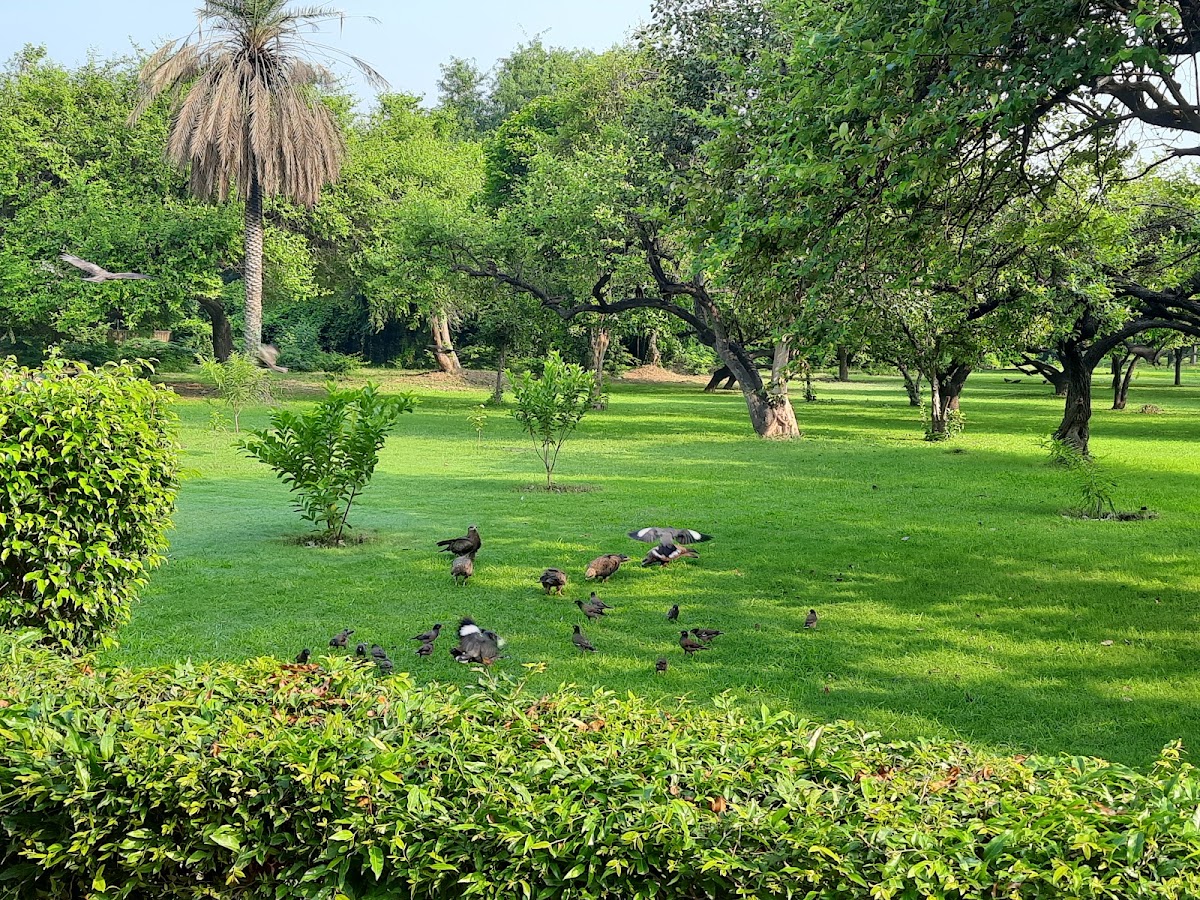
A historic Mughal era Sheesh Mahal is a centrally located palace within the Shalimar garden in the north west Delhi area. Sheesh Mahal is a replica of the original Sheesh Mahal of Kashmir, which was created by Jahangir in 1653. The Palace is made of brick masonry and red stone. On the northern side is the Baradari having a square tank with fountains, as it seems from the remains of that time. The coronation ceremony of Emperor Aurangzeb took place here in 1658. Today, the garden and the palace are maintained by the ASI. A spacious and clean park with an open-air gym, designated areas for yoga with a children's play area. An ideal spot for a family visit !!!

Aditya Malaviya
★★★★★ · 5 months ago

If you’re a fan of Delhi’s layered history but bored of the usual Hauz Khas crowds, you might find yourself wandering toward North Delhi to seek out Sheesh Mahal (or Sheel Mahal) within the sprawling Shalimar Bagh. Stepping into this site is like stepping into a Mughal time capsule—albeit one that’s currently undergoing a very long, very dusty "glow-up." The History: Mughal Grandeur This isn't just any old ruin. Built in 1653 by Emperor Shah Jahan’s wife, Akbarabadi Begum, this was once a lush royal retreat known as the Azizabad-Bagh. It’s historically heavyweight: Aurangzeb actually crowned himself Emperor here in 1658 before moving to the Red Fort. Imagine the royal intrigue that soaked these stones! Later, during the British Raj, Sir David Ochterlony used it as a summer residence. You can still see the skeletal remains of water channels and fountains that once made this a cool, shimmering paradise. The Reality Check: "Pardon Our Dust" However, don't expect a pristine museum experience just yet. The site is very much a work in progress. As of early 2026, the main monument is largely a mystery to the naked eye because it is almost entirely curtained off for restoration. You’ll be staring at a lot of scaffolding and green mesh rather than Mughal marble. The most frustrating part? The complete lack of signage. If you aren’t checking a map every five minutes, you’ll have no idea which pile of stones was a royal hammam and which was a garden pavilion. It feels like a treasure hunt where someone forgot to hide the treasure. The Crowd Factor: Sunday Scares A word of advice: if you value your personal space, avoid weekends and public holidays. The park transforms into a chaotic hub for local youngsters. On my last visit, the sheer volume of teenagers walking around aimlessly was actually a bit intimidating. It’s less "contemplative historical walk" and more "overcrowded mall food court without the food." Logistics: Don’t Get Stuck! This is the most important tip I can give you: Entry is strictly via Gate #3. Do not, I repeat, do not let your GPS lure you down the "shortcut" backroads. The surrounding residential streets are dangerously narrow—we’re talking "folding-your-side-mirrors-and-praying" narrow. Stick to the main approach via Gate #3 to save your car’s paint job and your own sanity. You can check the exact location on Google Maps for Shalimar Bagh Gate 3. The Verdict Sheesh Mahal is a diamond in the very rough. It has the potential to be one of Delhi’s most beautiful restored monuments, rivaling the likes of Sunder Nursery, but it’s going to take significant time and better management. For now, it’s a site for the "hardcore" history buffs who don't mind a bit of scaffolding and a lot of crowds. Keep an eye on the Archaeological Survey of India (ASI) website for updates on when the curtains finally come down!

Mauli J.
★★★★★ · 10 months ago

Getting to the place from the metro station wasn’t very easy. There were plenty of autos, but most drivers didn’t know the exact location. The park itself is well maintained, and entry is free. Even on a weekend, it wasn’t crowded, making it a nice spot for a peaceful picnic. Was informed that the Sheesh Mahal (monument) is currently closed and is expected to reopen in about two months. There’s also a restaurant on the premises.

Pawan Jindal
★★★★★ · 11 months ago

It's a medieval India heritage monument. It was built by the third queen of Mughal emperor Shahjahan and Aurangzeb declared himself Emperor here .It is the largest fruit Orchid in Delhi. A few days before it opened again for the public after restoration work . One library and Cafe have also opened here . You can come here for a picnic also in nearby large parks . You can also buy organic seasonal fruits also in the nearby Orchid .

Vikas Singh
★★★★★ · 10 months ago

The Shalimar Bagh was constructed in 1653 by Izz-un-Nissa Begum, wife of Emperor Shah Jahan, as a tribute to the Shalimar Bagh in Kashmir. The garden bears witness to key events in India’s history, including Aurangzeb’s enthronement in 1658 and Nadir Shah’s encampment in 1738, during his invasion of Delhi. Later absorbed into British estates, the site, features remnants of colonial-era constructions, many of which have since fallen into ruin. Presently, only the Sheesh Mahal, complex and a few formerly dilapidated structures - now restored - remain.

google shares its 5 most-relevant reviews — see the rest on the sourceread all on google ↗

same energy

sheesh mahal park — rohini | haunts.